Leaks around pipes and vents
A pipe passes through the roof covering, so the flashing around it must connect back into the roof’s drainage layers. A split boot or loose flange can let water enter even while nearby shingles look intact.
When water returns to a room that has already been repaired, it is natural to wonder whether the roof is beyond saving. The earlier work may have missed an opening, addressed only part of a flashing connection or stopped short of damaged material underneath. Understanding that history helps establish what the next repair needs to do.
The ceiling mark provides a clue, but water can follow framing or roof layers before it reaches the room. A roofer connects that indoor symptom with the covering and transitions outside, then checks whether the surrounding material is sound enough to receive the repair. A worn pipe boot, a lifted shingle and a failed wall flashing call for different work.
The same assessment helps with a first leak or newly damaged shingles. Request a free inspection and tell us what changed. You can understand the repair that fits the problem, or why a wider roof project needs to be considered.
A pipe passes through the roof covering, so the flashing around it must connect back into the roof’s drainage layers. A split boot or loose flange can let water enter even while nearby shingles look intact.
Water gathers where roof planes meet and where roofing meets a wall. Flashing laps, counterflashing and the condition of the adjacent surface need to be considered together. The visible metal is only one part of that connection.
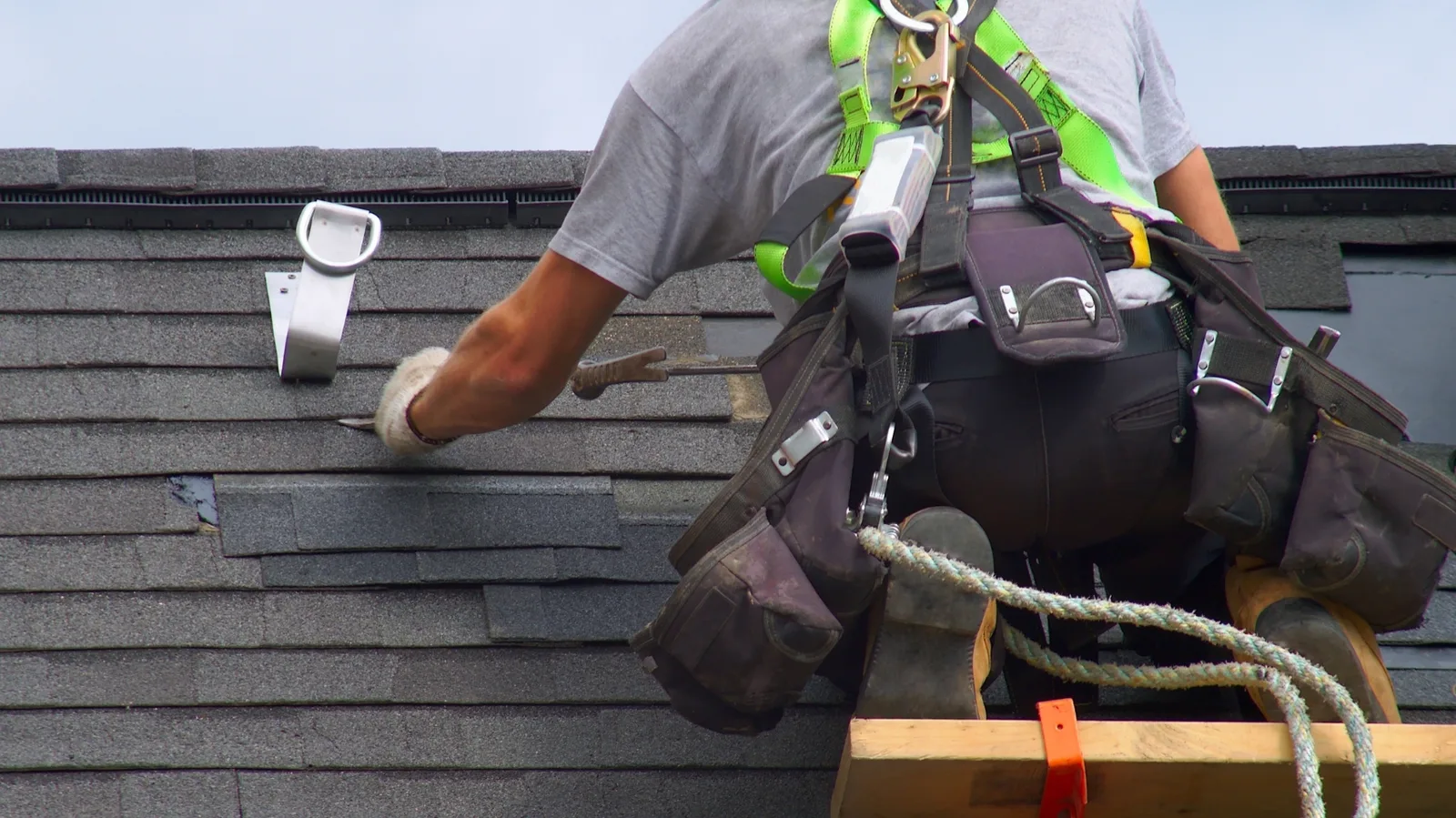
A limited damaged area may be replaceable when the neighboring shingles can be lifted and reworked without breaking. Widespread brittleness or repeated failures can make a small patch less dependable.
Share the location and history of previous repairs if you know them. Recurrence may mean the entry point was missed, another detail is contributing or the underlying roof has deteriorated beyond the original repair area.
A sound repair fits into the roof around it. The new material needs a secure base and a continuous route that sheds water toward the next surface.
Check the roof above and around the indoor symptom, including joints and penetrations where water can turn into the assembly.
The repair area may need to extend beyond the visible defect so replacement material can be tied into sound surrounding layers.
Roof edges, walls and gutters need to work with the repaired area. Moving a leak to another point isn’t a complete solution.
Sealants have legitimate uses in roofing details. They don’t replace the correct flashing arrangement, compatible repair material or sound attachment underneath.
If the roof needs a wider scope, explore roof replacement for the layers and decisions that belong in the plan.
Option 1
A distinct defect on an otherwise serviceable roof is a good reason to consider repair. Material compatibility, the condition of nearby shingles and the quality of the underlying deck all affect whether that approach makes sense.
Option 2
Several recurring leaks, extensive deterioration or materials that can’t be reworked may call for more than a patch. A replacement plan should explain the condition that supports it, rather than relying on the age of the house alone.
Find out whether a focused repair will solve the problem.
Tell us when water appears, which room is affected and whether wind-driven rain seems to change it. Ground-level photos of the stain or fallen shingles can help; don’t climb onto the roof to gather them.
The roofer assesses the likely source and the accessible surrounding roof. Where concealed damage is possible, discuss what can be established at inspection and what may only become visible during the work.
The proposed repair should name the work, material and any related roof details. Clarify how additional deterioration will be handled before it is concealed again.
A limited shingle repair can be reasonable if the neighboring material is sound enough to rework. The replacement must fit the existing product and fastening arrangement. Weathering can make an exact visual match difficult, even with a similar color.
Wind can drive rain toward a detail that stays relatively dry in gentler rain. That pattern is useful information for the inspection, but it doesn’t identify one universal cause. Walls, vents, roof transitions and the covering all remain possible entry points.
No. A stain, a visible change or a repair that has already failed is enough to request a look. Record when it happened if you can. An inspection may still have limits when the source is concealed or the conditions can’t be reproduced.
The roof still needs a condition-based repair scope. Our storm damage roof repair page explains how the inspection, temporary protection and possible insurance questions fit together. A nearby weather report alone doesn’t establish damage at your home.
Tell us where water is showing up or which part of the roof has changed. A free inspection helps connect that concern to a repair that addresses its cause.