Seams and previous patches
The edges of sheets or past repair areas can be useful places to investigate. A suitable repair must be compatible with the membrane and attached to material that can support it.
A drip above a ceiling tile may begin well away from that room. Water can move along roof layers or the deck before appearing inside, especially where several details feed into the same drainage area.
Flat roof repair starts by identifying the existing material and tracing the likely water path. An open seam, a curb flashing or a failed edge connection each calls for the right method and enough access to tie the repair into sound roofing.
The condition below the surface matters too. A patch placed over wet insulation or deteriorated material can leave the roof’s underlying problem in place. A free inspection helps define what needs a closer look.
The edges of sheets or past repair areas can be useful places to investigate. A suitable repair must be compatible with the membrane and attached to material that can support it.
Equipment curbs, pipes and wall transitions interrupt the roof surface. Movement, loose terminations or damaged flashing can allow water behind an otherwise sound field membrane.
Debris or poor drainage can keep water on the roof longer than intended. Clearing an outlet and correcting the roofing condition are different tasks; both may belong in the scope.
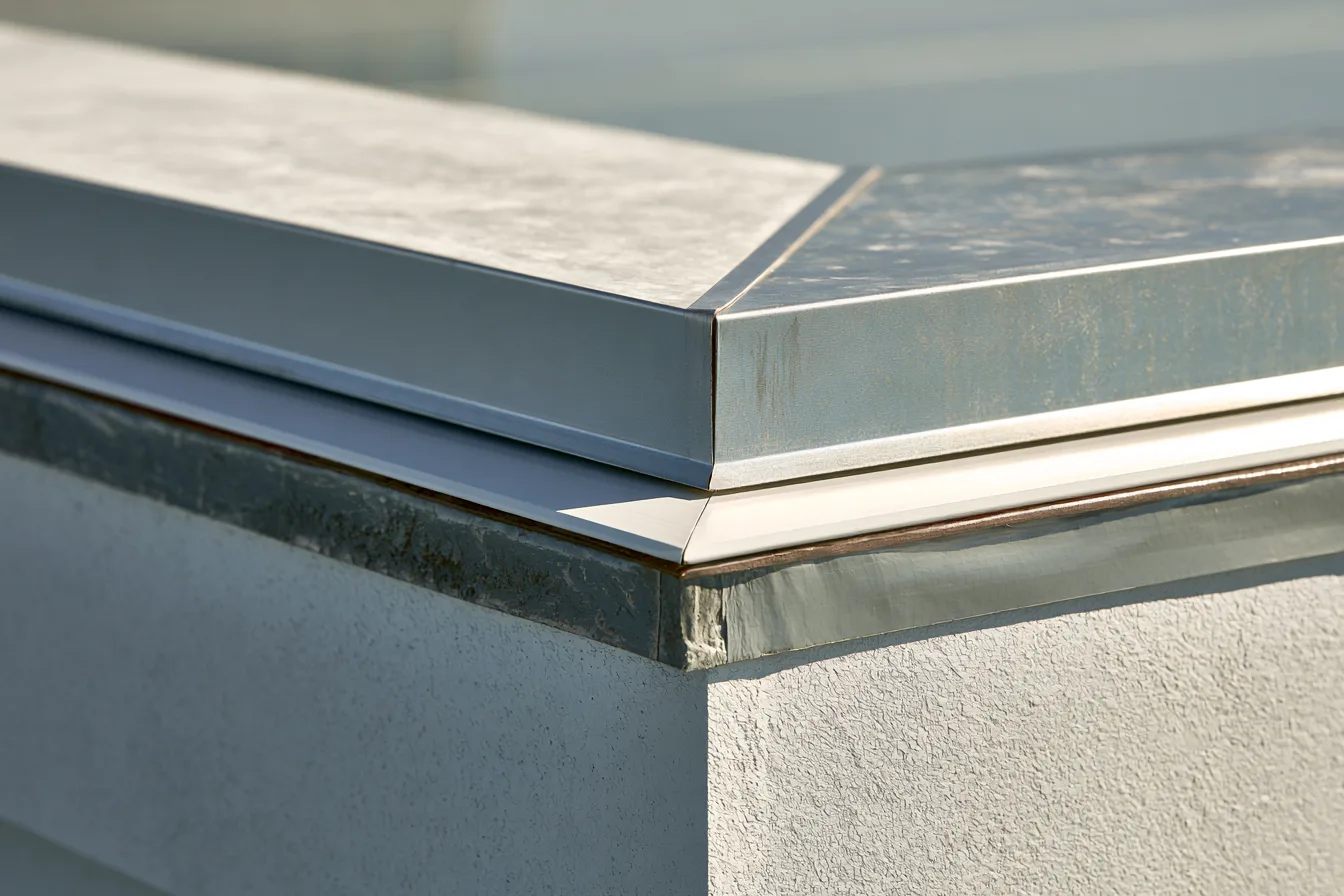
Coping, edge metal and membrane terminations need to work together. Water entering at the perimeter can travel inward before the leak becomes visible below.
A useful repair reaches sound material and restores a continuous connection. The smallest visible patch isn’t always the appropriate repair boundary.
Confirm whether the roof is TPO, another single-ply membrane, an asphaltic covering or another system before selecting repair materials.
The receiving surface and surrounding material need to suit the repair method. Loose, contaminated or deteriorated material can undermine the connection.
The patch, seam or flashing has to join the existing roof in a way that directs water back onto the drainage surface.
The proposal should distinguish the observed problem from any concealed conditions that need investigation. If wet insulation or deck damage is suspected, clarify how it will be checked and addressed.
For a broader membrane project, explore TPO roofing and the assembly decisions behind it.
Option 1
A defined opening with suitable surrounding material may support a focused repair. The inspection considers the affected layers as well as what can be seen from above.
Option 2
Repeated leaks in several areas, deteriorated membrane or widespread wet materials can change the scope. A new surface over an unsuitable base doesn’t resolve that condition.
Get the affected roof detail and surrounding material assessed.
Water over a stockroom or occupied office creates an immediate building problem. The repair plan accounts for the area below the leak and the access needed above it. Keep people away from electrical or unstable ceiling hazards.
A small repair can still need access through the building, space to handle materials and coordination around rooftop equipment. Those arrangements belong with the repair scope so roof access doesn’t conflict with staff, customers or deliveries.
The location, material and extent of the work help explain the roof later. If water returns, that history gives the next assessment a starting point instead of treating each leak as an unrelated event.
No. Repair materials and methods need to be compatible with the existing system. An incompatible patch can create another problem or complicate later repairs.
A patch may address an opening, but it doesn’t necessarily correct drainage. Low areas, outlet placement, blocked drains and the roof assembly need separate consideration.
Water may have more than one entry path, or a patch may have redirected it without addressing the source. The indoor location alone doesn’t establish what happened. Share the repair history so the inspection can consider the wider area.
A photo can help describe the concern, but it doesn’t show every layer or connection. Access, material compatibility and concealed moisture can affect the work. A property-specific assessment supports a useful proposal.
Let us know where water is affecting the building and whether the area has been repaired before. Start with a free inspection to identify the system and the repair it needs.