The roof already in place
Identify the current covering and known repair history. A heat-welded single-ply sheet, an asphaltic roof and metal panels have different repair requirements. A generic product isn’t a universal solution.
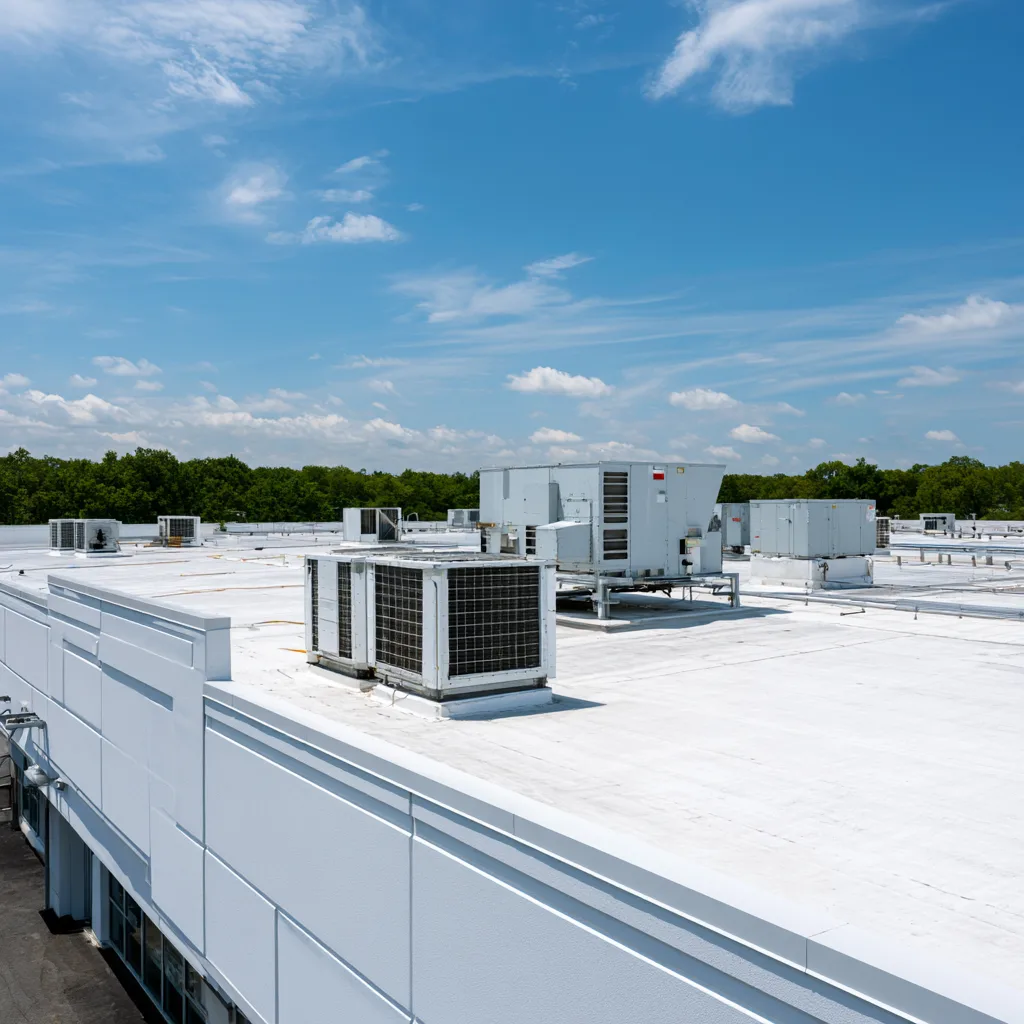
A leak in a shop or office reaches beyond the roof. It can affect stock, equipment, customer areas and the people using the building. A useful roofing plan addresses the water entry while keeping those practical needs in view.
Commercial roofing help starts with the existing system. The condition of the membrane, insulation, roof deck, drainage and perimeter details determines whether repair, restoration or replacement deserves consideration. Roof area alone can’t settle that choice.
Tell us what the building is used for and where the concern is affecting it. A free inspection is a way to begin that assessment and discuss the next step.
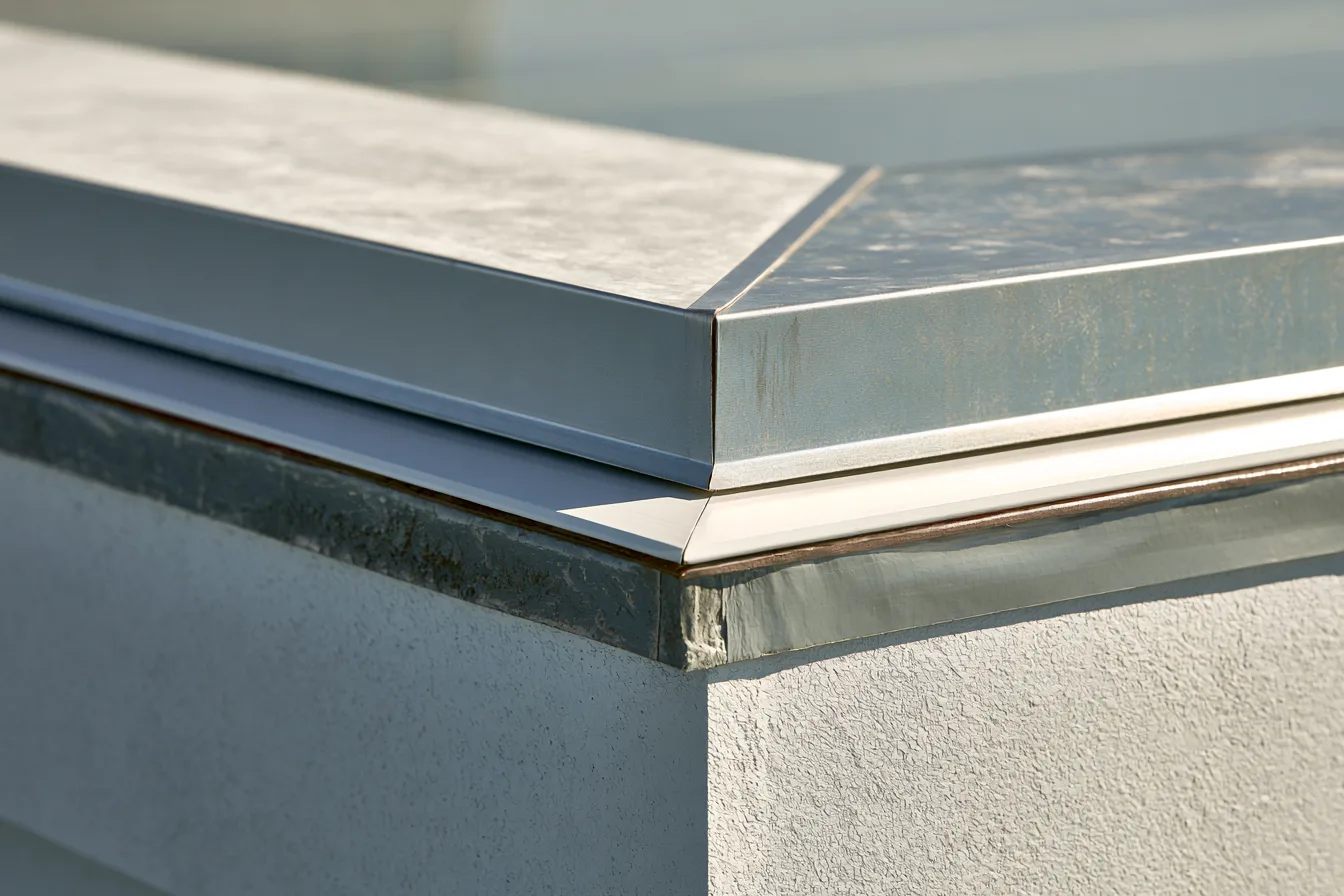
Trace leaks and repair compatible roof materials, seams and details.
Explore flat roof repair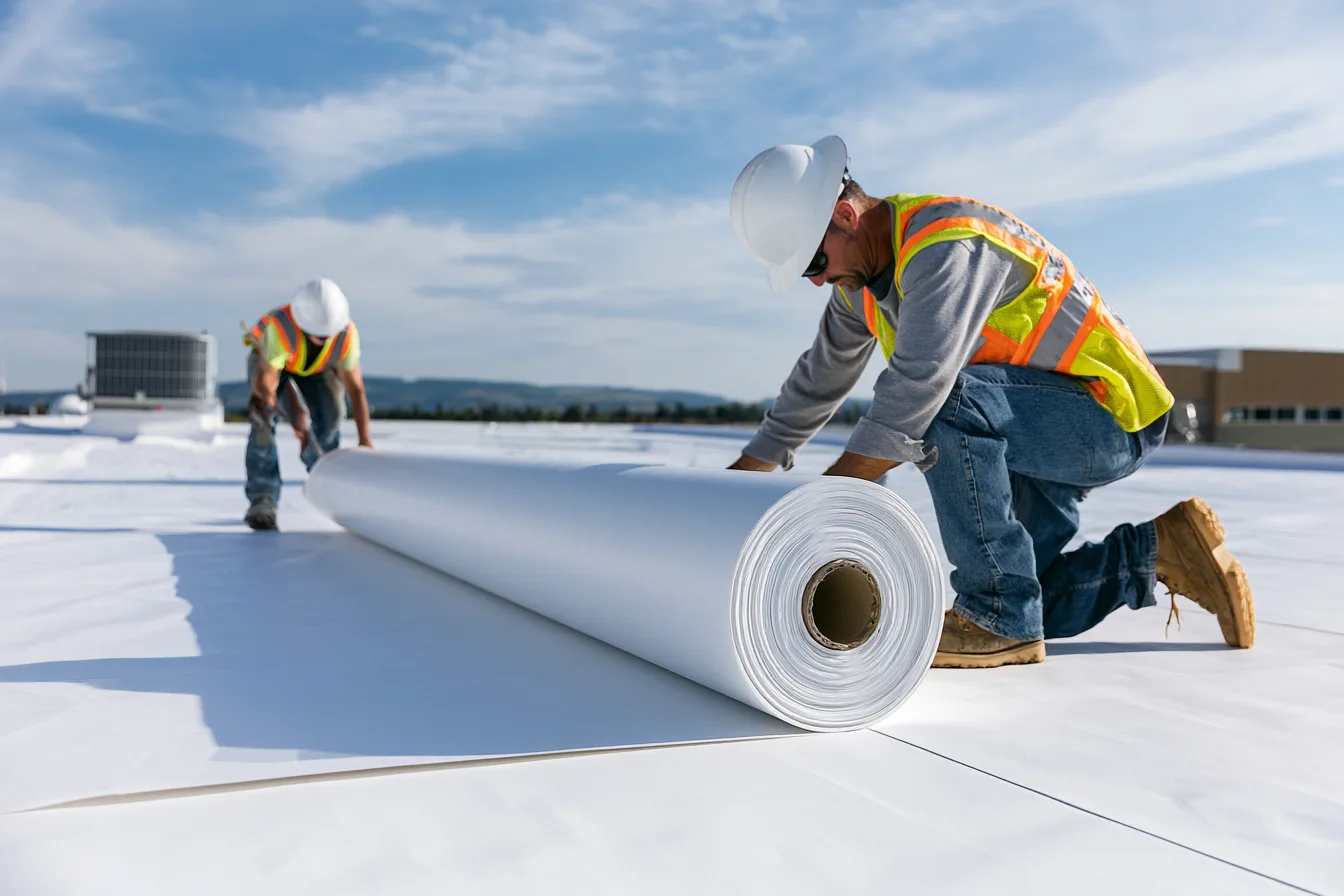
Plan a single-ply membrane roof with the right underlying assembly.
Explore TPO roofing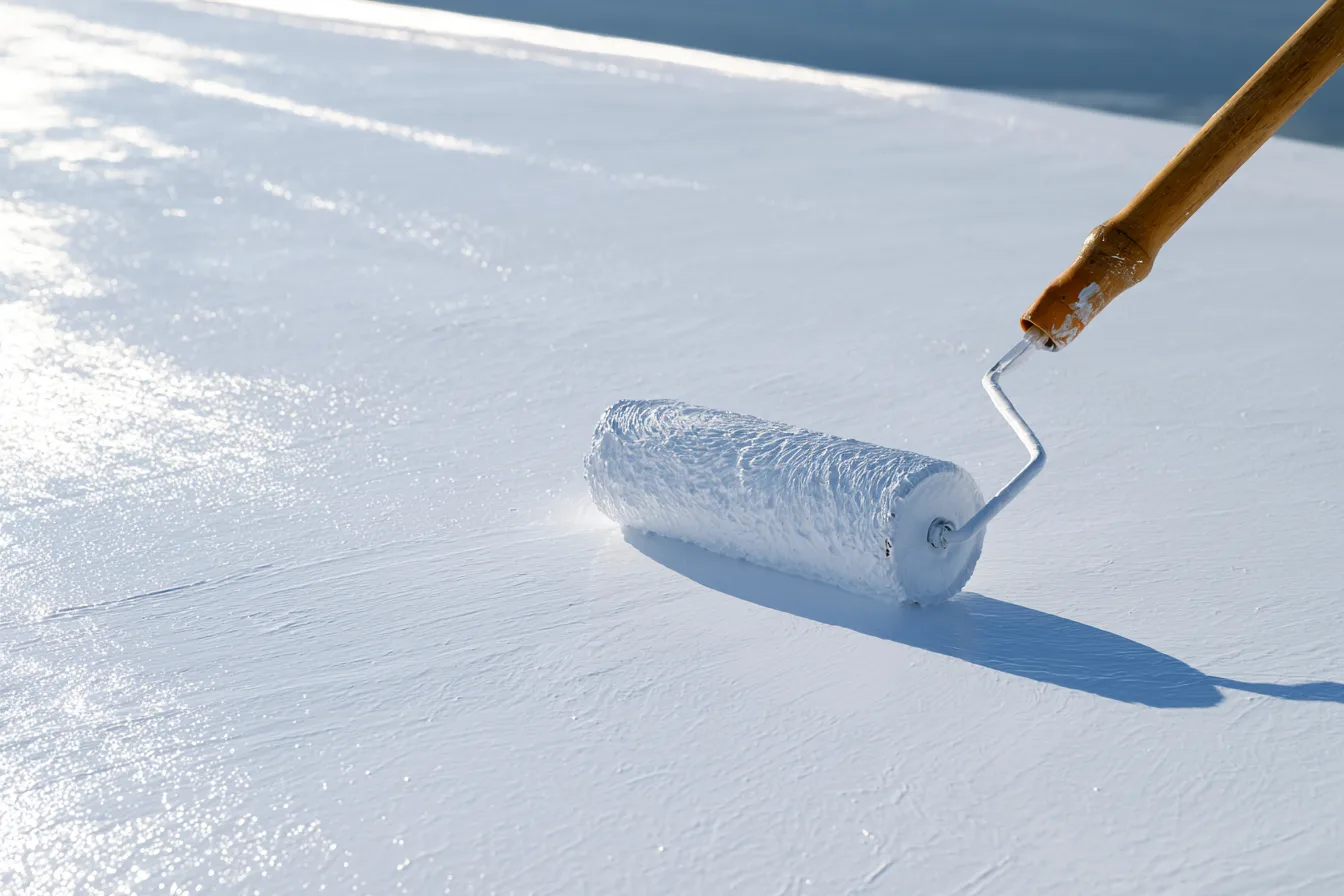
Consider restoration when the existing roof can support it.
Explore commercial roof coatingsIdentify the current covering and known repair history. A heat-welded single-ply sheet, an asphaltic roof and metal panels have different repair requirements. A generic product isn’t a universal solution.
Water needs a route off the roof, and curbs or pipes interrupt the membrane. Leaks can begin at these details even when much of the open field remains serviceable.
Retail space, an office and storage areas may have different access or disruption concerns. Identify sensitive areas and the times or routes that matter to the building’s operation.
HVAC service and other rooftop visits continue after roofing work. Access paths, equipment coordination and the protection of the covering deserve a place in the plan.
Two commercial roofs with the same square footage can require very different work. An open field has fewer interruptions than a roof with closely spaced curbs, pipes and changes in elevation.
Each interruption needs a sound transition, and each work area needs practical access. These details affect preparation, installation and the useful scope of a repair or replacement.
Option 1
A localized problem may be repairable when the surrounding system and underlying materials remain suitable. The repair needs to fit the existing material and water path.
Option 2
A coating system can be considered when the roof is sound, properly prepared and compatible. It doesn’t replace damaged insulation or correct a failed deck.
Option 3
Widespread deterioration, trapped moisture or an unsuitable existing assembly can make removal and replacement the more appropriate scope. The reason should be clear in the proposal.
Start with the building and the roof already on it.
Share the roof concern, occupied areas and any access restrictions. Existing roof records can help identify materials or previous work, but they aren’t required to begin.
The membrane, drainage, edges and penetrations need to be considered together. Moisture or concealed conditions may call for further investigation before a restoration or recover option can be judged.
Put the materials, preparation, affected roof areas and access arrangements into one scope. Coordinate deliveries, equipment service and protection of the space below before setting the work sequence.
Start with the activities that need to continue in the building and the spaces the work will affect. The contractor can then explain the access and scheduling arrangements available for this project. Some work may require a temporary change to normal operations.
No. A failed curb flashing or seam can allow water into an otherwise useful system. The assessment looks for the entry point and the condition around and beneath it.
See flat roof repair for how that scope is considered.
Only when the existing roof is a suitable base. Moisture, adhesion, drainage and prior repairs need to be evaluated before coating is proposed. Some roofs need selective repairs; others need removal.
The location, building use, leak pattern and any access restrictions are useful. If available, provide the current roof system, past repair records and any applicable roof warranty documents. You can still request an inspection without those records.
Tell us how the building is used and what the roof needs to do next. A free inspection gives a commercial repair, restoration or replacement discussion a practical starting point.